
The Emperor’s True Robes: Dignity Earned Through Logos and Morality

Reason together with the Divine—emerge robed in white. In Hans Christian Andersen’s classic tale, the Emperor’s new clothes represent much more than a simple fable about vanity; the “robes” operate as a profound historical metaphor for human dignity and sovereignty. Historically, literal robes commanded automatic respect and deference, granting their royal wearers a highly dignified status whether they had objectively earned it or not. Today, however, we suffer from a […] Read more »
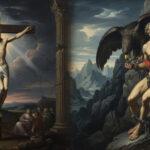

The Fire and the Cross: A Logocentric Examination of the Promethean Christ

In the annals of mythology and theology, there exists a resonant archetype: the figure who descends from the transcendent realm to emancipate humanity from the darkness of ignorance, only to suffer agonizing punishment by the ruling powers of the age. While the Greeks looked to Prometheus, the titan who defied Olympus, the Christian looks to Jesus, the Incarnation of the Logos. From a Logocentric perspective—where God is understood as the […] Read more »

The Logocentric Christian: A Philosophical Treatise on Reason, Character, Sovereignty, and Value

Introduction: A Philosophical Inquiry Let it be stated from the outset: what follows is a philosophical treatise, not a theological one. Logocentric Christianity, as it will be detailed, is not a new set of doctrines to be accepted on faith, but a rational framework for understanding reality, morality, and the human condition. It is an operating system for the mind, grounded in the primacy of the Logos—the universal principle of […] Read more »